


Introduction
In a world where meals are often rushed affairs grabbed between meetings or in front of screens, the Swedish concept of bjudlunch stands out as a beacon of intentional hospitality. Derived from the Swedish words “bjuda” (to invite or offer) and “lunch,” bjudlunch essentially translates to “invitation lunch.” It’s more than just sharing a midday meal; it’s a deliberate act of generosity where one person invites and typically treats another—or a group—to lunch, fostering connections in personal, professional, or social contexts. This tradition encapsulates Sweden’s cultural emphasis on equality, community, and understated warmth, reminding us that food can be a powerful bridge between people.
What is bjudlunch?
Originating in rural Sweden during harvest seasons, bjudlunch began as informal gatherings where families and neighbors would share bountiful meals to celebrate the fruits of their labor. In those early days, it was about exchanging cooking techniques, stories, and laughter over homemade dishes, embodying the communal spirit that has long defined Scandinavian life. As Sweden urbanized in the 20th century, the practice evolved from countryside feasts to city-based invitations, adapting to busy lifestyles while preserving its core purpose: strengthening relationships. Today, it’s common in business settings for networking or team-building, as well as in personal life for reconnecting with friends or welcoming new acquaintances. Unlike elaborate dinners, bjudlunch’s midday timing keeps it casual and accessible, aligning with Sweden’s fika culture—the beloved coffee break that prioritizes pause and conversation.
The cultural significance of bjudlunch
runs deep in Swedish society, reflecting values of lagom (just the right amount) and jantelagen (a social code discouraging boasting while encouraging humility and equality). By inviting someone to lunch, the host signals respect and appreciation without ostentation. It’s a gesture that promotes inclusion, breaking down barriers between colleagues, strangers, or even different cultural backgrounds. In a nation known for its high trust levels and social welfare, bjudlunch reinforces community ties, combating the isolation that can come with modern individualism. Globally, similar practices exist—think of the Mediterranean meze shared among friends or Asian family-style dining—but bjudlunch’s focus on the invitation itself adds a layer of intentionality, making the act of offering as meaningful as the meal. In an era of digital communication, this tradition serves as a counterpoint, encouraging face-to-face interactions that build genuine empathy and understanding.
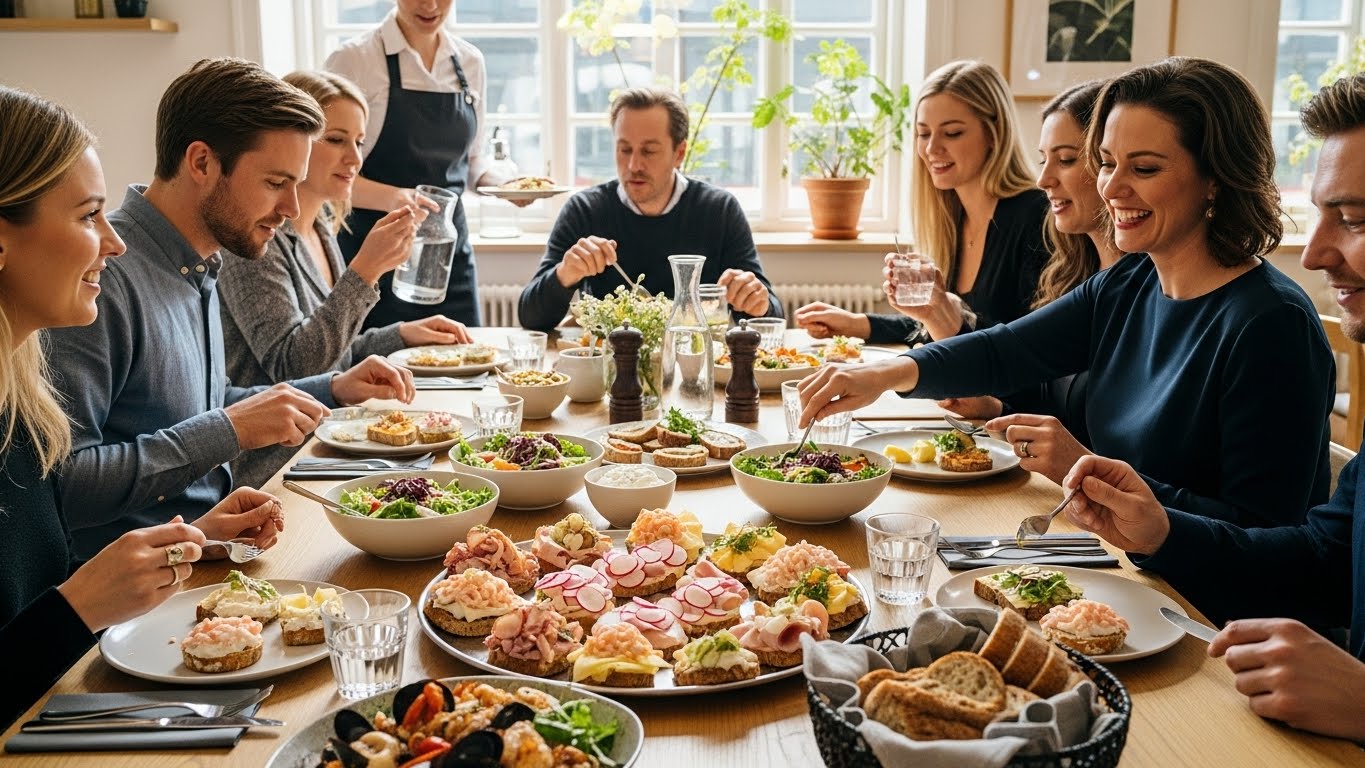
Practicing bjudlunch today involves a blend of tradition and modernity. In Sweden, it’s often held in cozy cafes, workplaces, or homes, with the host selecting a venue that suits the occasion—quiet for business discussions or lively for social catch-ups. Punctuality is paramount, as arriving on time shows respect for the inviter’s effort. The menu typically features simple,
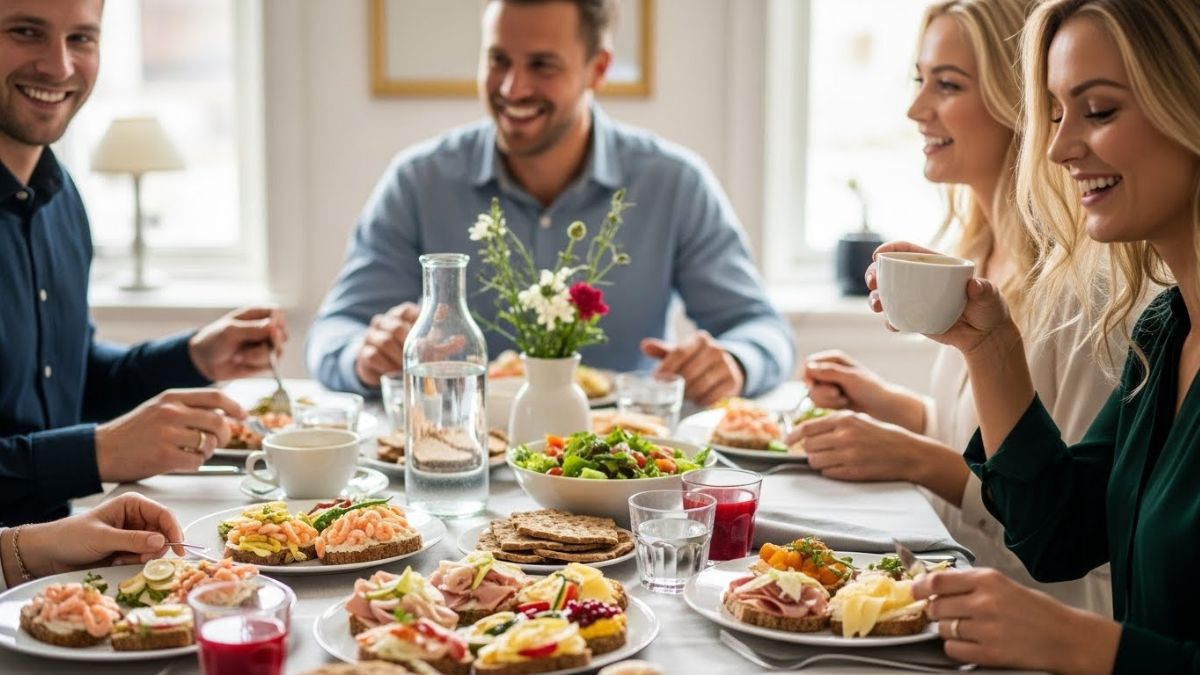
fresh Scandinavian fare: open-faced smörgåsar topped with smoked salmon, dill, and rye bread; hearty meatballs with lingonberry sauce; pickled herring variations; and crisp salads using seasonal ingredients. Desserts might include kardemummabullar (cardamom buns) paired with strong coffee, extending the meal into a leisurely chat. Vegetarian and vegan options are increasingly common, reflecting Sweden’s progressive approach to sustainability and health.
Bjudlunch: The Swedish Tradition of Social Lunching
Bjudlunch shines as a tool for networking.
Exploring the Joy of bjudlunch: A Swedish Tradition Worth Savoring
Socially, it combats loneliness by creating spaces for meaningful interactions, strengthening friendships and family ties through shared stories and laughter. Professionally, it enhances communication and trust, often leading to better collaborations and career advancements. On a personal level, hosting builds confidence and joy in giving, while attending fosters gratitude and belonging. Health-wise, mindful eating in good company can promote better nutrition and mental well-being, aligning with studies on the positive effects of communal meals.
Conclusion
bjudlunch is a timeless tradition that invites us to slow down and savor not just food, but the company it brings. As our lives grow busier, embracing this Swedish practice—whether in its authentic form or adapted—can enrich our relationships and daily experiences. Next time you’re looking to connect, consider extending a bjudlunch invitation; it might just create lasting memories over a simple, shared plate.
