

Introduction
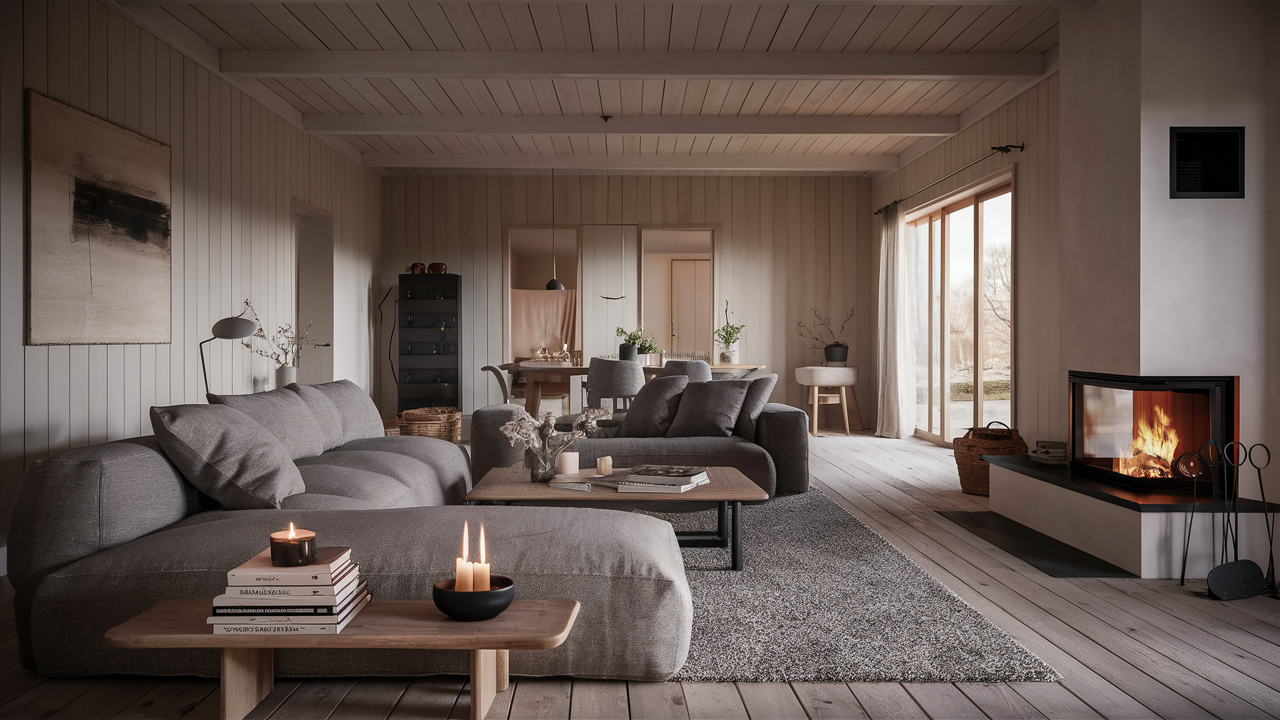
In the realm of interior design, few elements capture the essence of simplicity and natural beauty quite like pyntekvister. Derived from Norwegian words “pynte” meaning to decorate and “kvister” meaning twigs or branches, pyntekvister refers to the art of using natural or artificial branches as decorative accents in homes and spaces. These versatile pieces bring a touch of the outdoors inside, offering an organic contrast to sleek modern furnishings or cozy rustic settings. Popularized in Scandinavian cultures, pyntekvister embodies the principles of hygge—creating warmth, comfort, and harmony through everyday items. In today’s fast-paced world, where sustainability and mindfulness are key, pyntekvister has surged in popularity as an eco-friendly decor option that connects us to nature without the need for elaborate setups.
What makes pyntekvister so appealing is its accessibility.
Anyone can forage for branches in their backyard or purchase preserved ones from local markets, transforming them into stunning focal points. Whether displayed in a simple vase on a mantel or woven into intricate wall art, these decorative branches add texture, height, and a sense of movement to any room. As trends shift toward biophilic design—incorporating natural elements to improve well-being—pyntekvister stands out as a budget-friendly way to enhance aesthetics while promoting mental clarity and relaxation. This article delves into the rich history, creation process, and innovative uses of pyntekvister, inspiring you to incorporate this charming tradition into your own space.
Historical and Cultural Roots of Pyntekvister
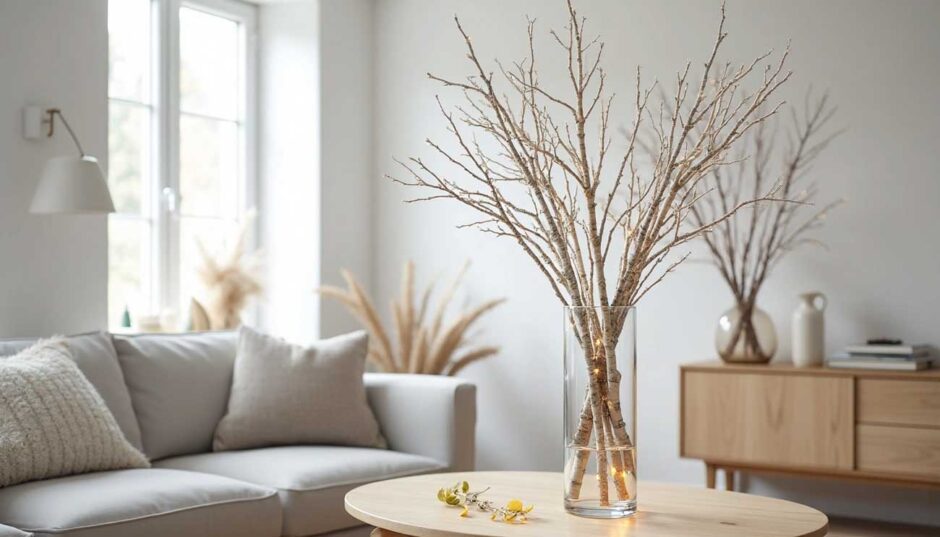
The origins of pyntekvister trace back to ancient Nordic and European traditions, where branches held profound symbolic value. In Scandinavian folklore, families would gather twigs during seasonal transitions to mark rituals of renewal and protection. For instance, birch branches were often used in spring ceremonies to symbolize purification and new beginnings, while evergreen twigs represented eternal life during harsh winters. These practices weren’t merely decorative; they served as talismans against negative energies, fostering a sense of security and connection to the earth’s cycles.
Over centuries, pyntekvister evolved from ritualistic items to everyday home embellishments. In Norway, Sweden, and Denmark, they became staples in holiday celebrations. During Christmas, branches adorned with candles and ornaments created a festive glow, embodying the spirit of togetherness. Easter saw them decorated with colorful eggs and feathers, signifying fertility and growth. This cultural depth is why pyntekvister resonates globally today—it’s more than decor; it’s a bridge to heritage.
Symbolism plays a crucial role in their appeal. Willow branches, for example, denote resilience due to their flexibility, making them ideal for arrangements that inspire strength amid change. Cherry blossoms evoke transient beauty and renewal, perfect for transitional seasons. In broader European contexts, branches were integrated into weddings and festivals, symbolizing unity and prosperity. As globalization spread Scandinavian design influences, pyntekvister found its way into international homes, blending with diverse styles like bohemian or industrial.
In modern interpretations, this tradition aligns with lagom—the Swedish concept of “just enough”—encouraging balanced, uncluttered spaces. Social media platforms like Pinterest have amplified its visibility, with users sharing creative twists that honor its roots while adapting to contemporary tastes. Understanding this history enriches the experience of using pyntekvister, turning a simple branch into a story of cultural continuity.
Exploring the Types of Pyntekvister
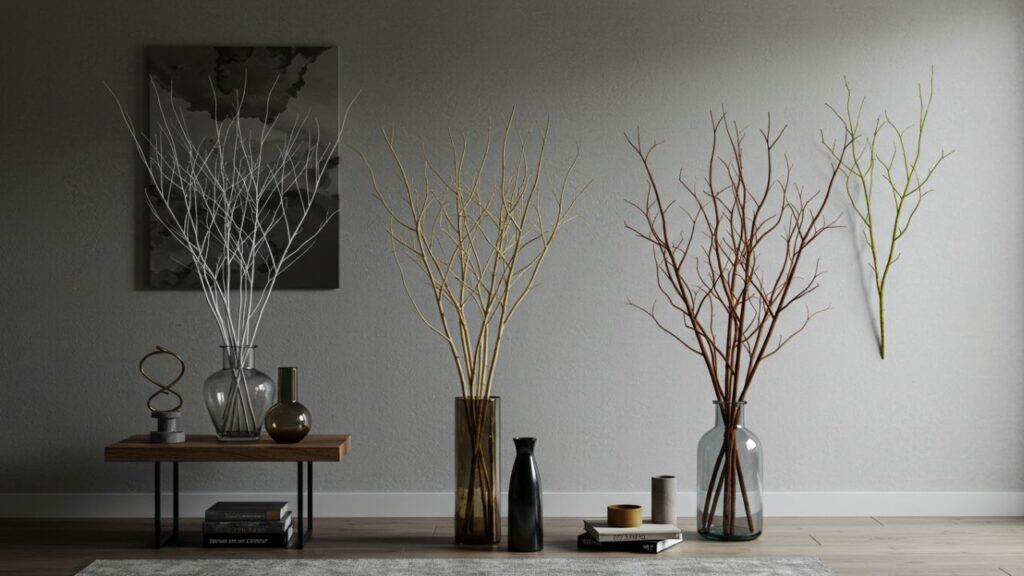
Pyntekvister comes in various forms, each offering unique textures and vibes suited to different decor needs. Natural options are harvested from trees like birch, known for its smooth, light bark that adds a clean, minimalist look. Willow branches provide rustic flexibility, ideal for weaving into shapes, while eucalyptus adds a silvery-green hue and subtle aroma, enhancing sensory appeal. Cherry blossom twigs bring pinkish tones, evoking romance and often used in event styling.
For those preferring longevity, artificial pyntekvister mimics natural varieties using synthetic materials or preserved branches. These are frost-resistant and color-customizable, making them versatile for year-round use without wilting. Textures range from smooth and polished to rough and bark-covered, allowing for personalization.
Seasonal variations further diversify choices: dried oak for autumn’s earthy feel or frosted pine for winter festivities. When selecting, consider the space—tall, straight branches suit high-ceilinged rooms, while curved ones add whimsy to cozy nooks. This variety ensures pyntekvister fits any aesthetic, from Scandinavian simplicity to eclectic boho.
Crafting Your Own Pyntekvister: A Step-by-Step Guide
Creating pyntekvister is a rewarding DIY project that requires minimal tools and unleashes creativity. Start by selecting branches: forage ethically from fallen twigs in parks or gardens, opting for sturdy ones with intriguing shapes. Birch or willow work best for beginners due to their manageability.
Next, prepare the branches. Clean them by rinsing off dirt and gently scraping excess bark for a refined appearance. Trim to desired lengths using pruning shears, aiming for a mix of heights to create visual interest. If painting, apply acrylics or wood stains in neutral tones like whitewash for a Scandinavian vibe or metallics for glamour. Allow drying time to prevent chipping.
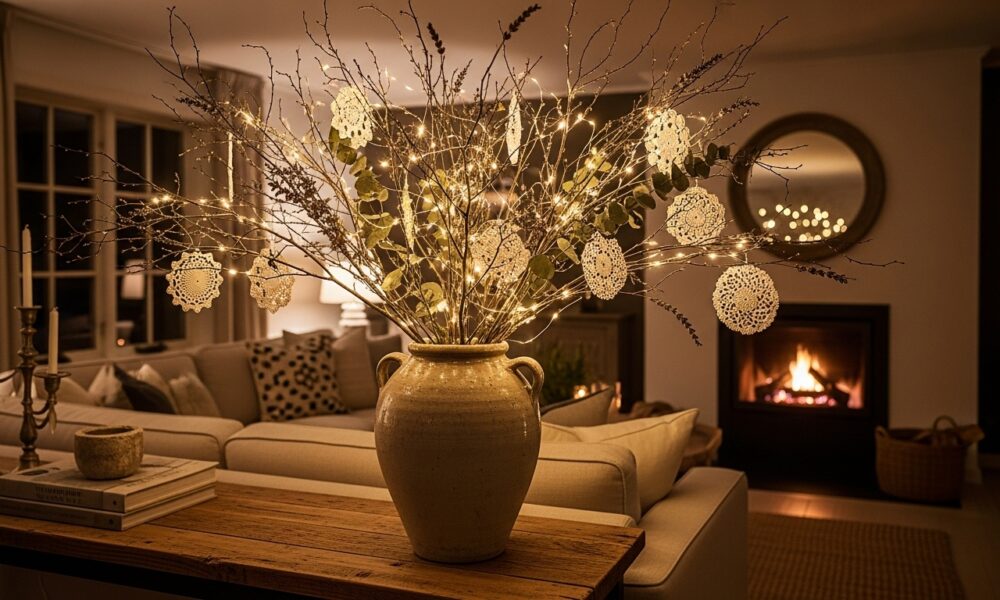
Decoration is where personalization shines. Use a hot glue gun to attach elements: ribbons for softness, fairy lights for ambiance, or beads for sparkle. For seasonal flair, incorporate pinecones in fall or faux snow in winter. Secure additions with wire for durability.
Assemble in a base—vases filled with stones provide stability, or use floral foam for complex arrangements. Experiment with asymmetry for a natural look. Display tips include placing near light sources to cast intriguing shadows or grouping in clusters for impact.
Advanced techniques involve weaving branches into wreaths: twist flexible willow into circles, then embellish with dried flowers. For wall art, mount branches on canvas or directly onto walls using hooks. Safety first—avoid flammable additions near candles. This process not only yields beautiful decor but also fosters mindfulness, as working with natural materials grounds you in the present.
Innovative Arrangement Ideas for Every Season and Space
Pyntekvister’s versatility shines in creative displays tailored to seasons and rooms. In spring, pair willow branches with pastel flowers in entryways to welcome renewal. Summer calls for eucalyptus in outdoor patios, mixed with wildflowers for a breezy feel.
Autumn arrangements thrive with birch and dried leaves as table centerpieces, evoking coziness. Winter transforms them into holiday wonders: wrap with lights and ornaments for mantels or trees.
Room-specific ideas include bedrooms, where soft-lit branches create calming reading nooks. In living rooms, large vase displays add height to coffee tables. Kitchens benefit from herb-infused twigs hung as pot racks, blending function with style.
For events, use in weddings as aisle markers or photo backdrops, symbolizing growth. Themed parties incorporate colored ribbons for vibrancy. Hanging mobiles from ceilings add dynamic movement, especially in children’s rooms.
Benefits, Trends, and Sustainability
Beyond beauty, pyntekvister offers practical benefits. It’s sustainable, using biodegradable materials that reduce plastic waste. Foraging promotes outdoor activity, while DIY aspects save money compared to store-bought decor.
Modern trends integrate technology: smart lights synced to apps illuminate branches dynamically. Global influences mix pyntekvister with Asian bamboo or African weaves for fusion styles. Influencers on Instagram showcase minimalist setups, driving its popularity.
In sustainability, opt for locally sourced or recycled branches to minimize carbon footprints. This aligns with eco-conscious living, making pyntekvister a forward-thinking choice.
Care and Maintenance Essentials
To prolong pyntekvister’s life, dust gently with a soft cloth weekly. For fresh branches, change vase water every few days to prevent mold. Store in cool, dry areas away from sunlight. Seal dried ones with matte varnish for protection.
Embracing Pyntekvister in Your Life
Pyntekvister invites us to slow down and appreciate nature’s artistry. By incorporating these decorative branches, you infuse spaces with history, creativity, and sustainability. Start small—a single vase arrangement—and watch your home transform into a haven of natural elegance.